Se Habla Español
Call Today for a Free Consultation
203-348-5846
1100 Summer Street, Stamford, CT 06905


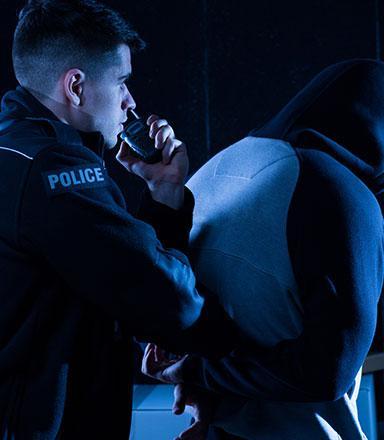


Defending Juveniles Against Criminal Charges in Connecticut
 When a young person is charged with a crime in Connecticut, the process looks different from an adult criminal case. However, the stakes can still be very high. A juvenile record can affect your child's education and job opportunities. In some cases, it can follow them into adulthood. Connecticut's juvenile justice system focuses on rehabilitation, and there are real ways to fight these charges and protect your child's future. If your child is facing a criminal charge in 2026, our Stamford, CT juvenile defense lawyer will fight to protect your child’s rights.
How Does the Juvenile Justice System Work in Connecticut?
In Connecticut, young people under 18 who are charged with a crime are generally handled through the juvenile justice system instead of adult criminal court. Juvenile cases are heard in the Superior Court, Juvenile Matters Division. The process is different from adult court in some important ways.
Juvenile proceedings are not open to the public. Records are typically confidential, which means they are not available to employers or the general public the way adult criminal records are. The system focuses on helping young people get back on track rather than punishing them, which creates more options for resolving a case without a lasting record. That said, juvenile charges should never be taken lightly. The consequences can still be severe.
Can a Juvenile Be Tried as an Adult in Connecticut?
Under Connecticut General Statutes Section 46b-127, certain juveniles charged with serious felony offenses may be transferred to adult criminal court. Depending on the offense and the circumstances of the case, Connecticut law may require transfer to adult court or allow it after additional court proceedings.
When transfer is possible, an attorney can evaluate whether it may be challenged and advocate for keeping the case in juvenile court when the law permits.
What Are the Most Common Juvenile Charges in Connecticut?
Juveniles in Connecticut face many different types of charges. Some of the most common include:
-
Breach of peace or disorderly conduct
-
Larceny or shoplifting
-
Drug possession
-
Assault
-
Vandalism or criminal mischief
-
Trespassing
-
Possession of a weapon on school grounds
While many juvenile cases can be resolved without a lasting record, the outcome of a case can still affect future opportunities. Depending on the circumstances, a juvenile record can create challenges in education, employment, military service, and other opportunities.
What Defenses Are Available in a Juvenile Case?
Under In re Gault, 387 U.S. 1 (1967), the U.S. Supreme Court ruled that juveniles have the same due process rights as adults in delinquency proceedings. That includes the right to remain silent, the right to an attorney, and the right to challenge the evidence.
If police questioned your child in violation of their constitutional rights, statements they made may be challenged or excluded from evidence. An attorney can evaluate whether law enforcement followed the proper procedures during questioning.
Other defenses may include challenging the evidence, showing your child was not involved, or arguing that the facts do not support the charge as filed.
What Alternatives to Adjudication Are Available in Connecticut?
Connecticut has several programs that can help a young person avoid a formal adjudication on their record. These options are worth looking at in every case where they may apply.
One option is a diversionary program. Connecticut's juvenile system includes programs like the Juvenile Review Board, which lets young people complete community service, attend counseling, or meet other conditions that may allow the case to be resolved without formal juvenile court proceedings.
Can a Juvenile Record Be Erased in Connecticut?
Many juvenile records may be eligible for erasure under Connecticut law if certain requirements are met. Eligibility depends on factors such as the type of case, how it was resolved, and whether additional offenses occurred. Once erased, the record cannot be shared with employers or the public. That can give your child a real fresh start. An attorney can help you figure out whether your child qualifies and walk you through the process.
Schedule a Free Consultation With Our Norwalk, CT Juvenile Defense Attorney
When your child is facing criminal charges, every decision matters. You need a legal representative with the knowledge and experience to guide you through the juvenile justice system. Our Stamford, CT juvenile defense lawyer brings 40 years of legal experience to every case, giving families in this community the depth of representation their children deserve. If your child is facing charges and you are not sure what to do next, contact Law Offices of Daniel P. Weiner by calling 203-348-5846 and schedule your free consultation today.
The Law Offices of Daniel P. Weiner in Stamford, Connecticut serves clients in Greenwich, Norwalk, New Canaan, Darien, Westport, Bridgeport, Fairfield, Danbury, Wilton and clients throughout Fairfield County and across Connecticut (CT).
©2026 Law Offices of Daniel P. Weiner | 1100 Summer Street, Stamford, CT 06905 | 203-348-5846
Call for Free Initial Consultation
203-348-5846